There Really is More to the Christian Faith
JOIN MY THURSDAY UNFILTERED EMAIL LIST AND GET TWO BOOKS AND AN AUDIO SEMINAR FREE.
Join an uncommon tribe of readers who know in their bones that there has to be more. The Insurgence has begun, don’t miss it!
Hey. I’m Frank
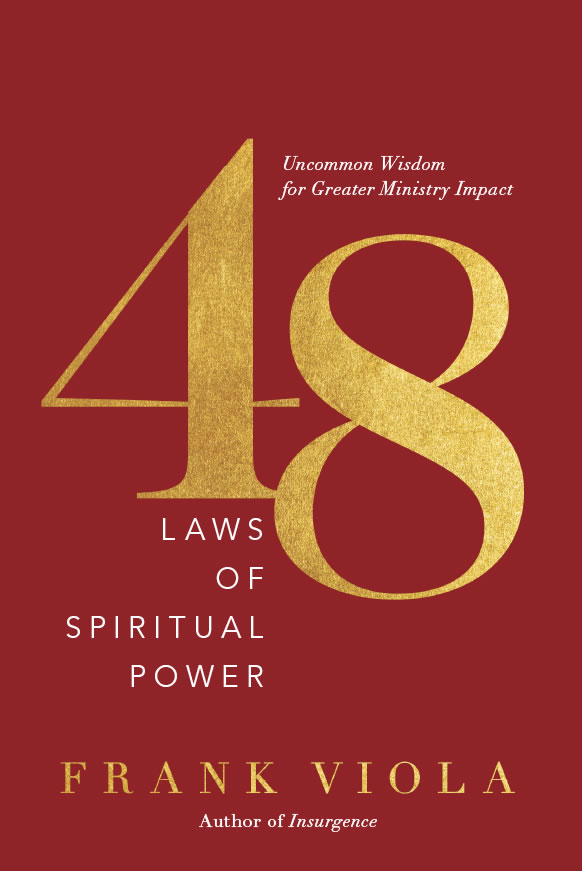
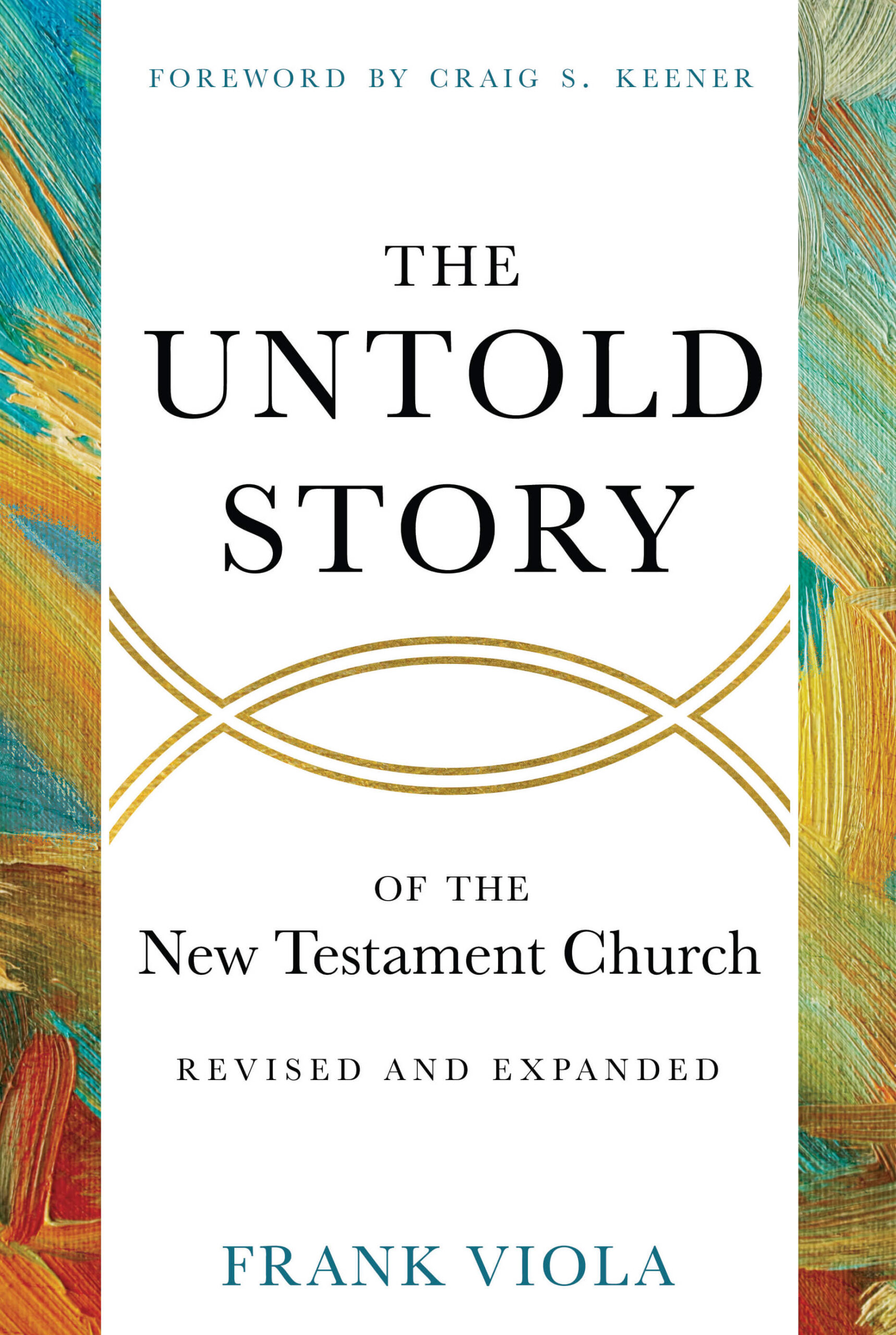
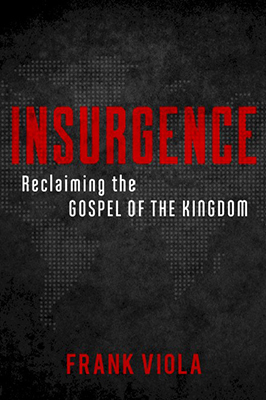
I’m the Wall Street Journal (WSJ) and Christian Book Association (CBA) bestselling author of The Untold Story of the New Testament Church: Revised and Expanded, Insurgence: Reclaiming the Gospel of the Kingdom, From Eternity to Here, and 48 Laws of Spiritual Power. I write about radical discipleship and give practical advice on the common struggles that we Christians face today.
My work has been described as provocative, iconoclastic, uncovering “the hidden obvious.” Some people think I need a brain transplant. Others say I saved their spiritual lives. You can check out my blog articles, podcasts, and books — then decide for yourself.
Latest Articles
Popular Courses

Living by the Indwelling Life of Christ
10 sessions

SCRIBE Training for Authors
11 sessions

Surviving Your Storm
34 sessions